
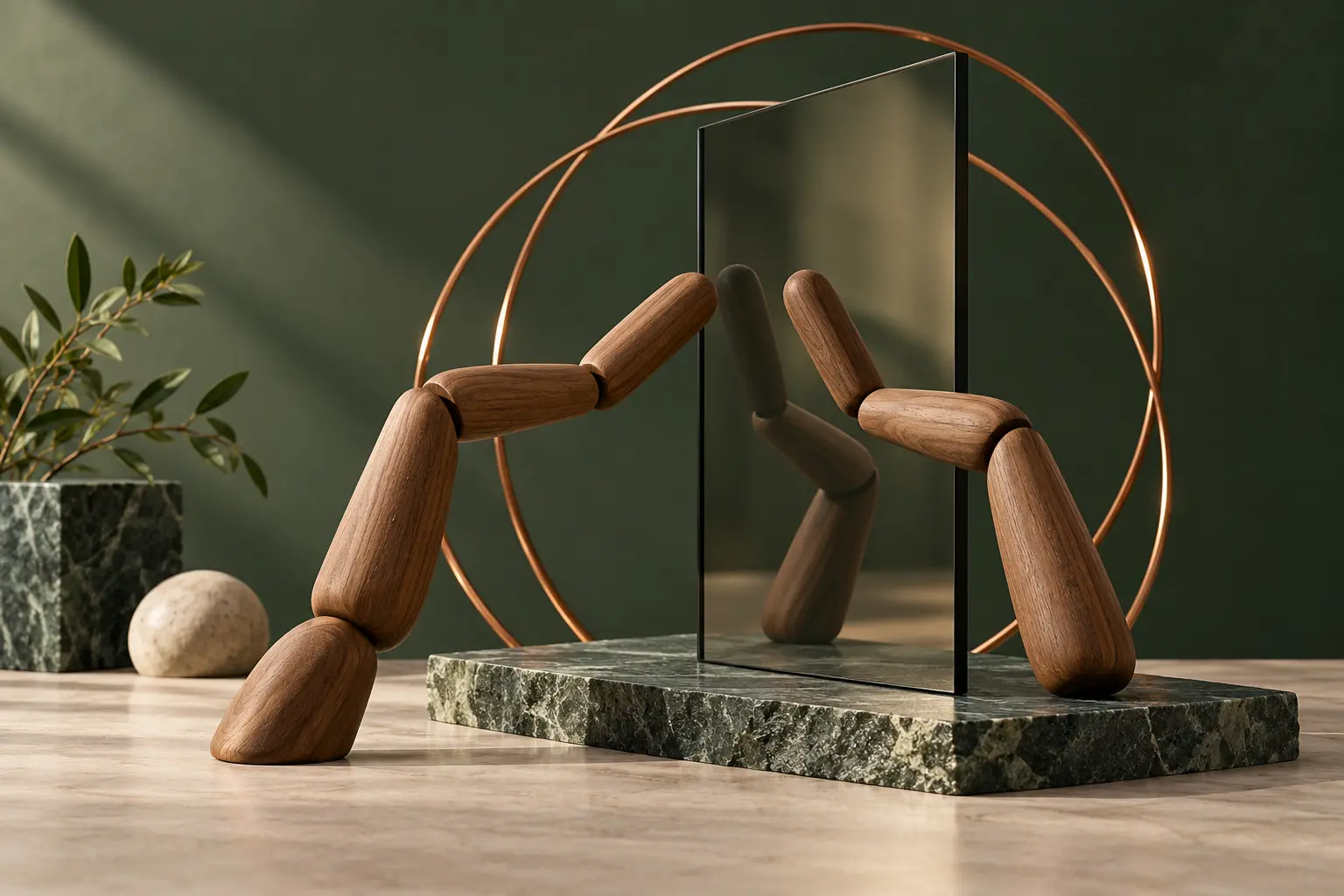
Published September 29, 2026, in Neurological Sciences, this systematic review and meta-analysis examined seven randomized trials involving 402 stroke survivors with upper-limb impairment.
What the pooled evidence found Combined repetitive transcranial magnetic stimulation and mirror therapy favored control conditions on the Fugl-Meyer upper-extremity assessment, with a standardized mean difference of 0.92, and on the Box and Block Test, with a standardized mean difference of 1.09. The review also reported improvements across selected grip, functional-performance, impairment and muscle-tone measures.
Why the combination is interesting The two approaches address rehabilitation from different directions: noninvasive stimulation aims to influence cortical excitability, while mirror therapy uses visual feedback during movement practice. The pooled findings support testing them as a coordinated program rather than assuming either component explains the result alone.
The important boundary Only seven trials were available. The checked abstract does not provide outcome-specific heterogeneity, evidence-certainty ratings, adverse-event synthesis or the exact comparator mix. The authors state that the most effective stimulation and mirror-therapy parameters remain unclear.
Source and disclosure Authoritative abstract checked. Funding and competing-interest statements were unavailable in the indexed record. Prepared with AI assistance and source-checked September 30, 2026.